Where the regulation applies
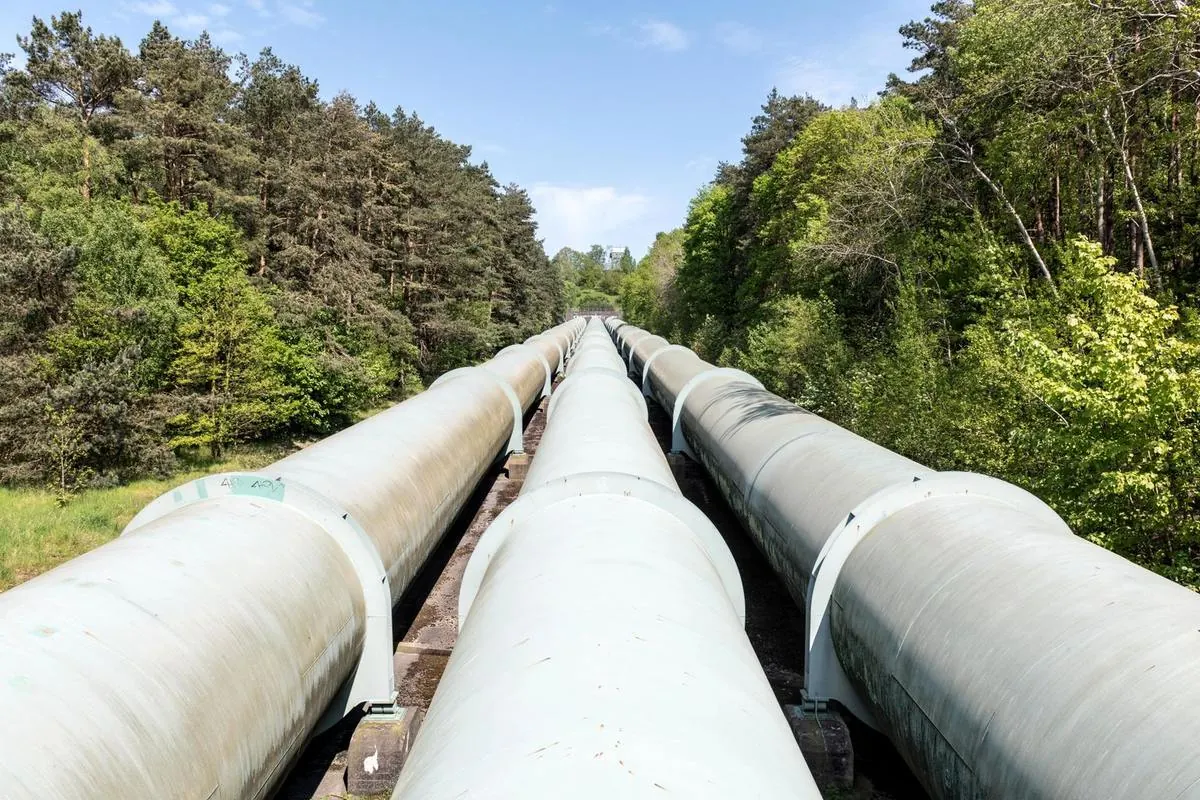
The regulation concerns trunk pipelines for liquid and gaseous hydrocarbons throughout their life cycle. Facility boundaries and associated structures are determined from the design, intended use and scope exclusions.
What the regulation covers
Checks cover strength, leak tightness, corrosion protection and prevention of accidental releases. Assessment uses the prescribed expert review, supervision and acceptance procedures, rather than a universal pipeline certificate.
Examples of products and facilities
- crude-oil trunk pipelines
- gas transmission pipelines
- petroleum-product trunk pipelines
- pumping stations within the facility
- compressor stations within the facility
These examples are indicative. Applicability depends on intended use, specifications and the regulation’s exclusions.
Documentation we help prepare
PLANCK reviews project boundaries and technical records, prepares a review checklist and separately checks equipment documentation against the applicable regulations.
What to prepare
- Technical description and intended use
- The key parameters listed above
- Models, manufacturer and applicant details
- Existing conformity evidence
What you receive
A requirements matrix for your product: scope, assessment route, necessary evidence and next actions.
Sources & regulatory basis
Regulatory basis checked:
Timing & cost
Quoted after reviewing models, manufacturers, testing scope, site visits and translation needs. The proposal separates the stages and their deliverables.