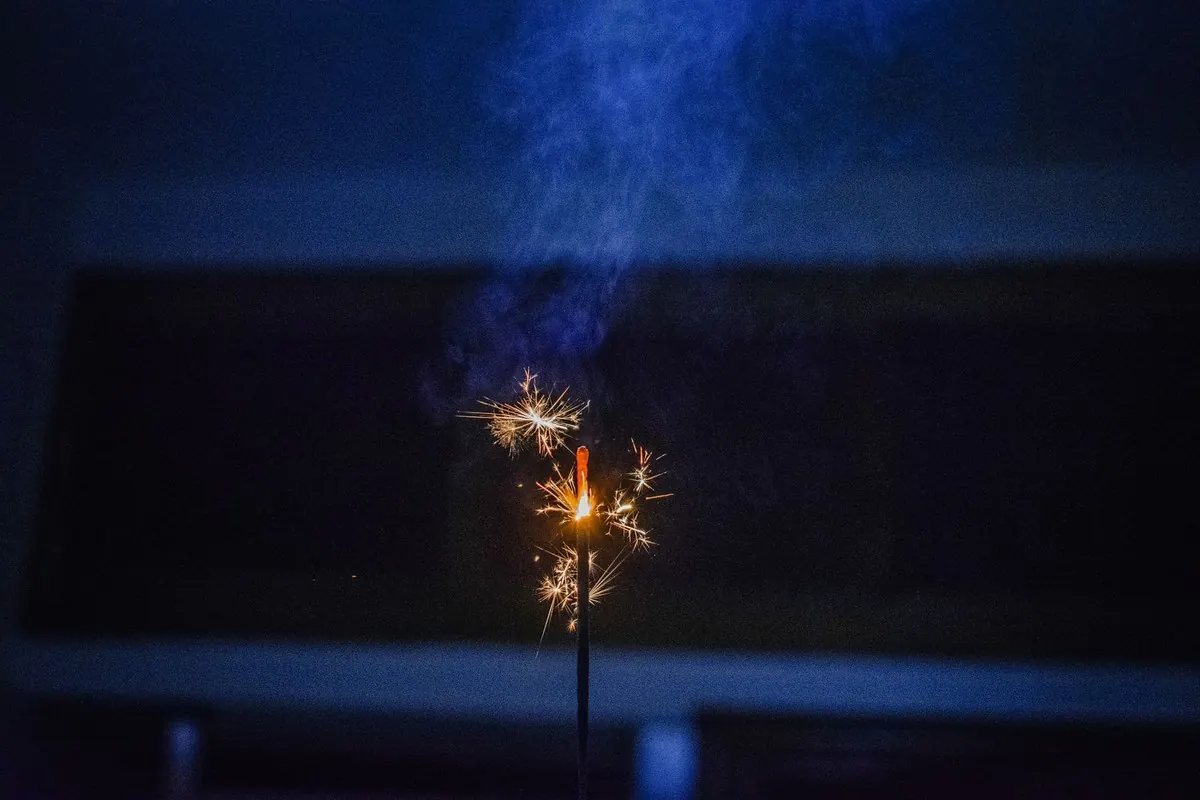
Where the regulation applies
The regulation covers civilian pyrotechnic articles and related handling processes within its defined scope. Requirements and the form of conformity assessment depend on hazard class, intended purpose and conditions of use.
What the regulation covers
The regulation limits hazardous effects such as flame, projected parts, thermal radiation and sound pressure. It sets requirements for design, reliable functioning, safety distances, instructions and warning labels.
Examples of products and facilities
- firework batteries
- pyrotechnic fountains
- sparklers
- party poppers
- firework rockets
- pyrotechnic signalling articles
These examples are indicative. Applicability depends on intended use, specifications and the regulation’s exclusions.
Documentation we help prepare
PLANCK helps clarify pyrotechnic class and use, and prepare technical descriptions, instructions and hazard information for testing and the applicable conformity assessment procedure.
What to prepare
- Technical description and intended use
- The key parameters listed above
- Models, manufacturer and applicant details
- Existing conformity evidence
What you receive
A requirements matrix for your product: scope, assessment route, necessary evidence and next actions.
Sources & regulatory basis
Regulatory basis checked:
Timing & cost
Quoted after reviewing models, manufacturers, testing scope, site visits and translation needs. The proposal separates the stages and their deliverables.