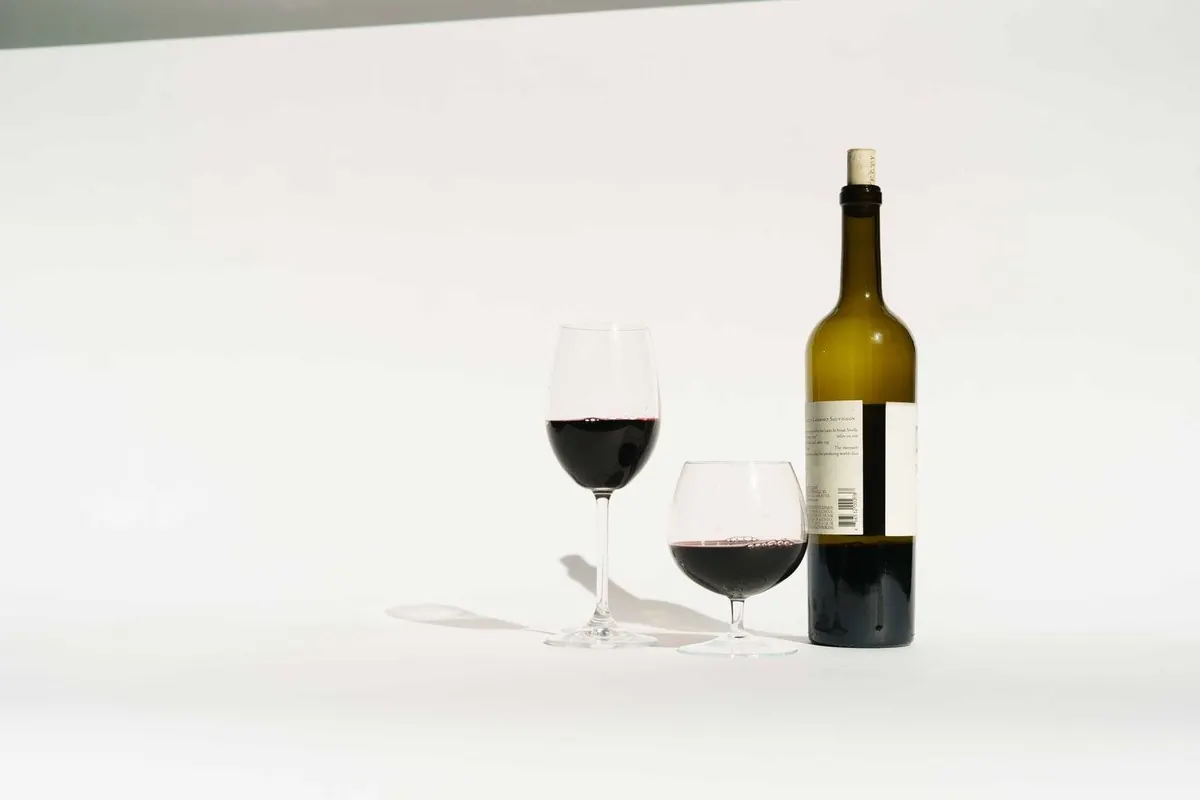
Where the regulation applies
The adopted regulation sets requirements for alcoholic products and their distribution processes. Entry into force has been postponed to 1 January 2027; the current regime and transitional provisions require separate review.
What the regulation covers
The text provides for control of composition, toxic impurities and safety parameters by beverage category. Identification, raw materials, alcohol content and accurate labelling receive specific attention.
Examples of products and facilities
- beer
- wine
- sparkling wine
- vodka
- liqueurs
- distilled spirit drinks
These examples are indicative. Applicability depends on intended use, specifications and the regulation’s exclusions.
Documentation we help prepare
PLANCK reviews the beverage category, formulation, labelling and existing documents, then prepares a testing list and transition plan against the applicable dates.
What to prepare
- Technical description and intended use
- The key parameters listed above
- Models, manufacturer and applicant details
- Existing conformity evidence
What you receive
A requirements matrix for your product: scope, assessment route, necessary evidence and next actions.
Sources & regulatory basis
Regulatory basis checked:
Timing & cost
Quoted after reviewing models, manufacturers, testing scope, site visits and translation needs. The proposal separates the stages and their deliverables.