Where the regulation applies
The regulation covers public and non-public railway infrastructure subsystems and listed components, with exclusions for high-speed and industrial process transport. Requirements apply to design, manufacture, construction, installation, adjustment, acceptance and commissioning, distinguishing infrastructure assessment from conformity assessment of individual products.
What the regulation covers
Requirements address track and structure stability and strength, safe clearances and reliable operation of train control equipment. They also cover power supply, fire safety and protection of people during infrastructure operation.
Examples of products and facilities
- railway track
- points and crossings
- rail fastening systems
- bridges and tunnels
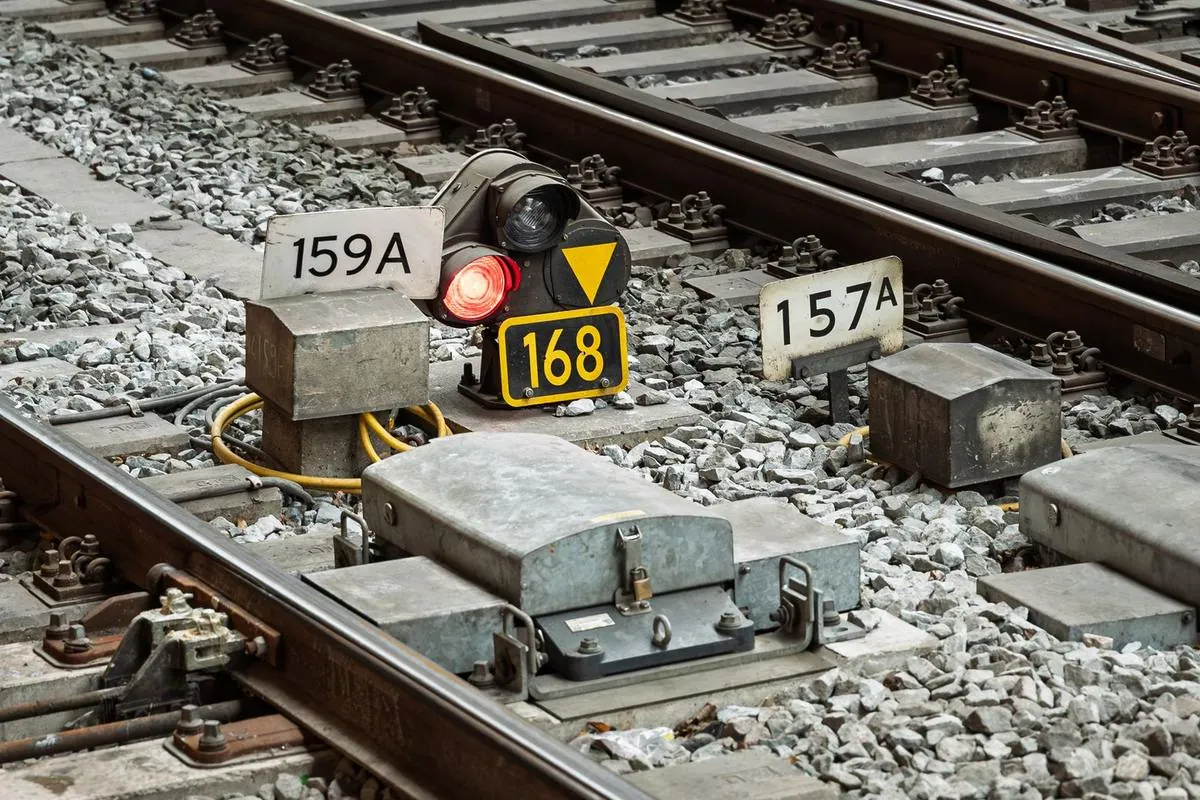
- signalling and interlocking equipment
- overhead contact systems
- traction substations
These examples are indicative. Applicability depends on intended use, specifications and the regulation’s exclusions.
Documentation we help prepare
PLANCK helps identify requirements for the particular product or infrastructure element, review technical documentation and prepare an evidence package for the relevant form of assessment.
What to prepare
- Technical description and intended use
- The key parameters listed above
- Models, manufacturer and applicant details
- Existing conformity evidence
What you receive
A requirements matrix for your product: scope, assessment route, necessary evidence and next actions.
Sources & regulatory basis
Regulatory basis checked:
Timing & cost
Quoted after reviewing models, manufacturers, testing scope, site visits and translation needs. The proposal separates the stages and their deliverables.